en
en es
es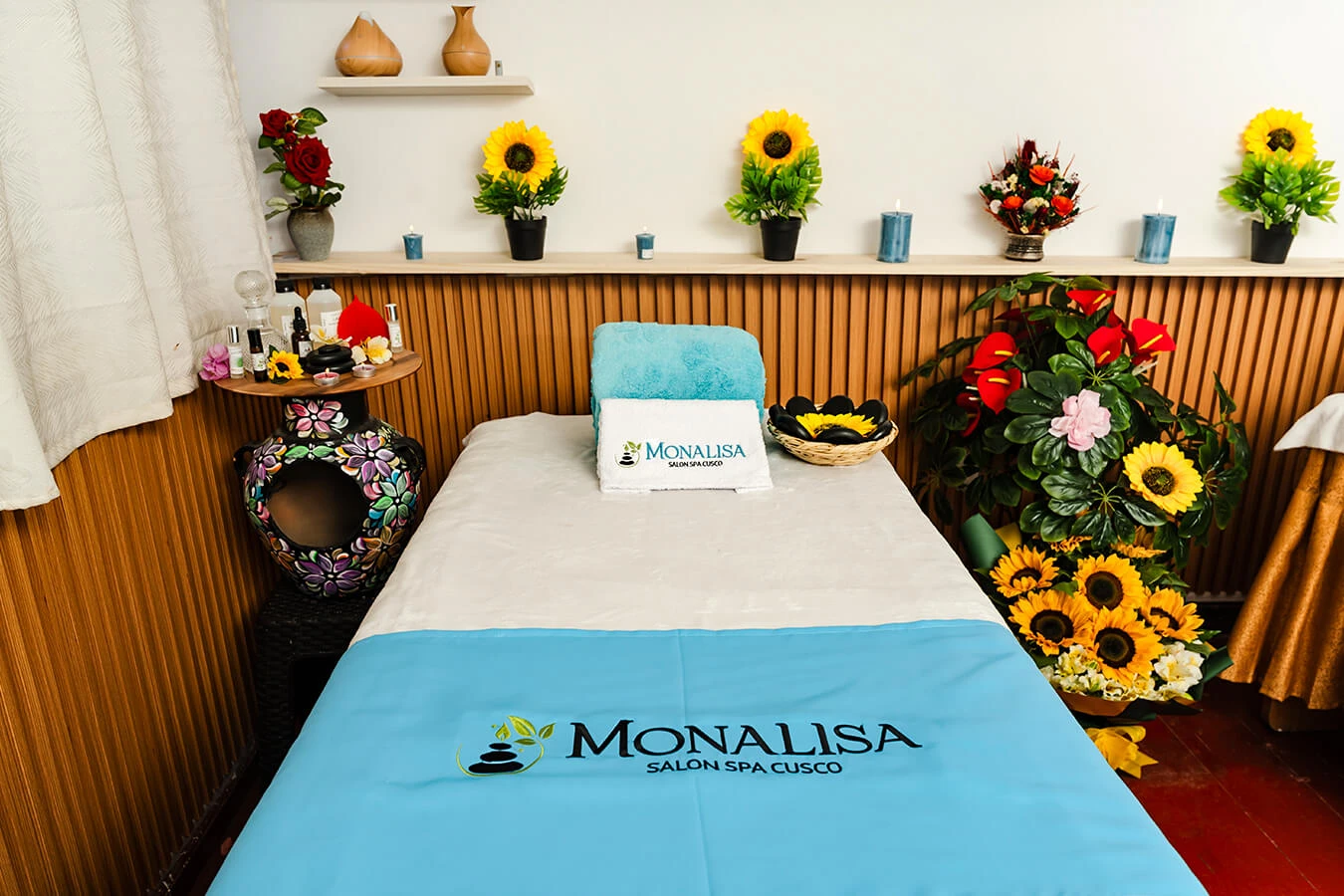
Yes, getting a massage in Cusco can be safe and enjoyable, especially after a long journey, a day exploring the city, or a demanding trek.
However, Cusco has many massage spas, particularly around the Historic Center and Plaza de Armas, and not all of them offer the same level of cleanliness, professionalism, or customer care. For this reason, it is important to choose a reputable spa rather than making a decision based only on the lowest price.
At Monalisa Spa Cusco, we provide massages in a clean, calm, and respectful environment. Our team takes the time to understand how you are feeling, the pressure you prefer, and whether you have any sensitive areas, injuries, allergies, or discomfort related to altitude or recent physical activity.
Are Massage Spas in Cusco Safe?
Many professional spas in Cusco follow appropriate hygiene and customer-care practices. Nevertheless, the quality of the experience can vary considerably from one establishment to another.
Some very inexpensive massage businesses may not provide clear information about their services, the experience of their therapists, hygiene procedures, or what is included in the price. Others may begin a massage without asking about injuries, allergies, recent activities, or the client’s preferred level of pressure.
A trustworthy massage spa should provide:
- Clean treatment rooms, towels, and linens.
- Trained and experienced massage therapists.
- Clear descriptions of each massage service.
- Transparent prices without unexpected charges.
- A brief consultation before the session.
- Respect for your privacy and personal boundaries.
- The option to adjust the pressure at any time.
- Good communication before and during the massage.
- Recent and consistent customer reviews.
Be cautious when a spa appears unhygienic, cannot explain what the service includes, pressures you to purchase additional treatments, or ignores questions about your comfort.
Why Choose Monalisa Spa Cusco?
At Monalisa Spa Cusco, your safety and comfort are an important part of the experience.
Before beginning, you can tell our team about your preferred pressure, recent physical activities, altitude-related discomfort, injuries, sensitive areas, or allergies to oils and fragrances. Your massage can then be adapted according to how you feel.
Our spa is located near Cusco’s Plaza de Armas, making it a convenient option for travelers staying in or visiting the Historic Center.
Whether you have recently arrived in Cusco, completed the Inca Trail, visited Machu Picchu, or spent the day walking through the city, our goal is to provide a professional and personalized massage in a calm environment.
Can You Get a Massage on Your First Day in Cusco?
You can usually receive a gentle massage on your first day in Cusco, provided that you feel well and are not experiencing significant symptoms of altitude sickness.
Cusco is located at approximately 3,400 meters above sea level, so your body may need time to adjust to the altitude. During your first hours in the city, a gentle relaxation or aromatherapy massage may be more comfortable than an intense deep-tissue massage.
Before your appointment, it is helpful to:
- Rest for a few hours after arriving.
- Drink enough water.
- Eat a light meal.
- Avoid excessive alcohol.
- Tell your therapist that you recently arrived in Cusco.
- Request gentle or moderate pressure while acclimatizing.
You should postpone your massage if you have a severe headache, persistent nausea, vomiting, confusion, chest discomfort, difficulty walking, unusual weakness, or breathing problems while resting. These symptoms require proper medical attention rather than a massage.
Does Massage Help with Altitude Sickness?
Massage may help you relax and reduce muscular tension, but it does not cure or treat altitude sickness.
Altitude-related symptoms occur because the body needs time to adapt to the lower oxygen levels at higher elevations. Common symptoms can include headache, tiredness, dizziness, nausea, difficulty sleeping, and reduced appetite.
A gentle massage may help you feel calmer after traveling, but it should not replace:
- Rest.
- Hydration.
- Gradual acclimatization.
- Medical advice.
- Prescribed medication when necessary.
Listen to your body. When you feel unwell, it is better to postpone the massage until your symptoms improve.
Is It Safe to Get a Massage After Machu Picchu or a Trek?
For many travelers, a massage is a relaxing way to recover after visiting Machu Picchu, hiking the Inca Trail, exploring Rainbow Mountain, walking to Humantay Lake, or touring the Sacred Valley.
Long walks, stone steps, uneven trails, backpacks, and extended transportation can leave the legs, feet, shoulders, and lower back feeling tired or tense.
Before the massage, tell your therapist which activity you completed and whether you have:
- Swelling or inflammation.
- Blisters or open wounds.
- Sunburn.
- A recent fall or injury.
- Severe pain in one particular area.
- Extreme fatigue or dehydration.
- Unusual swelling or pain in one leg.
Massage can help tired muscles feel more relaxed, but it should never be used to push through a possible injury. When pain is intense, sudden, or unusual, seek professional medical advice.
What Type of Massage Is Best in Cusco?
The most appropriate massage depends on how you feel, how long you have been in Cusco, and the activities you have completed.
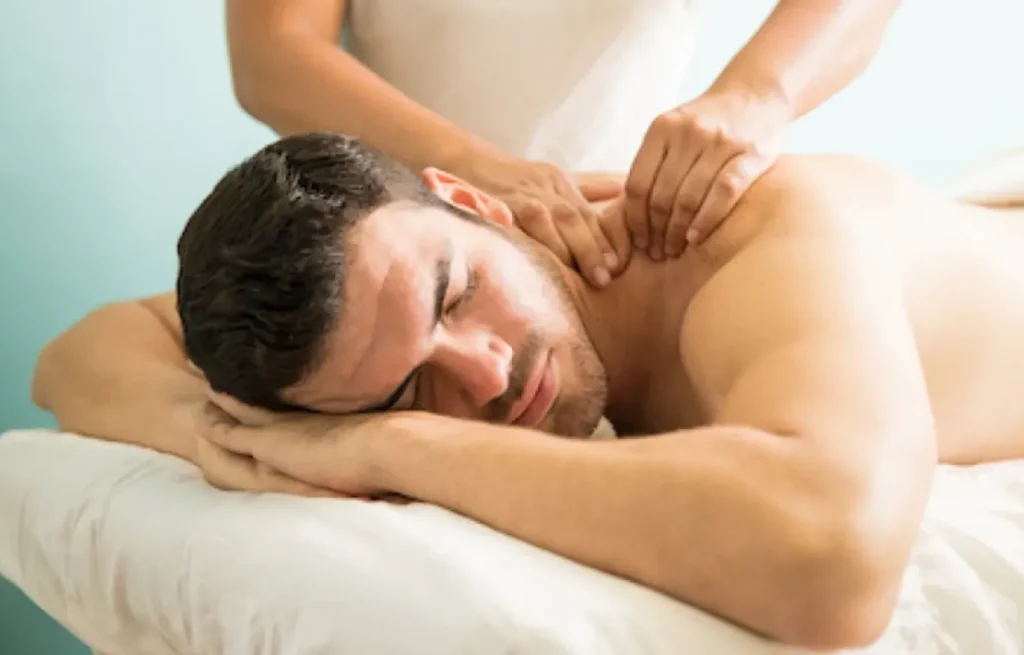
Relaxation Massage
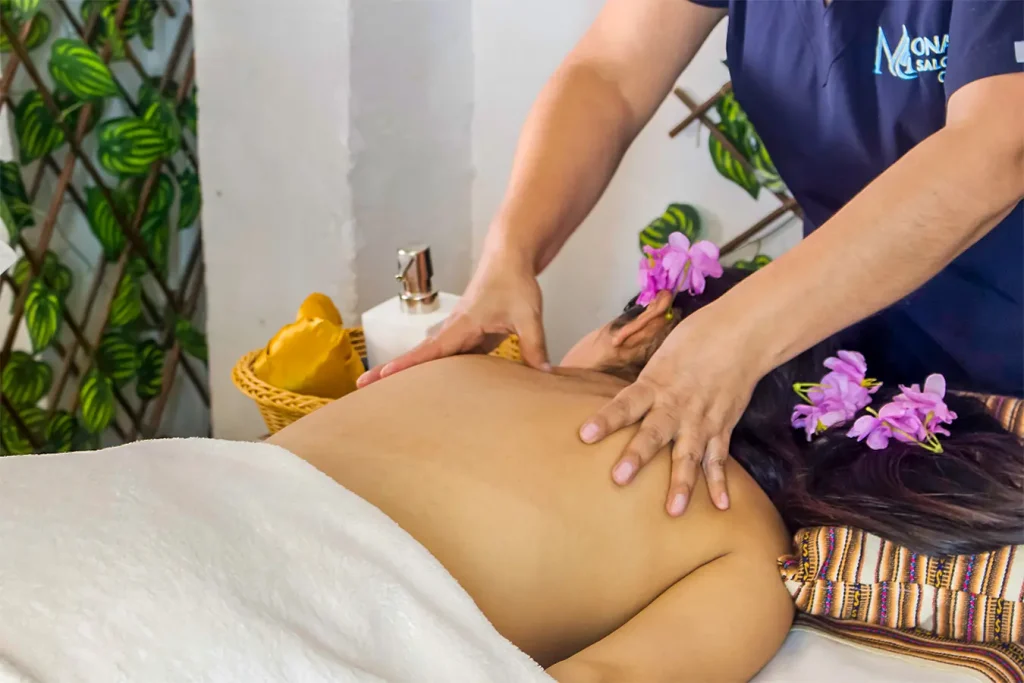
A relaxation massage is a good option after traveling, sightseeing, or during your first days in Cusco. It uses gentle, flowing movements to help reduce tension without applying excessive pressure.
Aromatherapy Massage
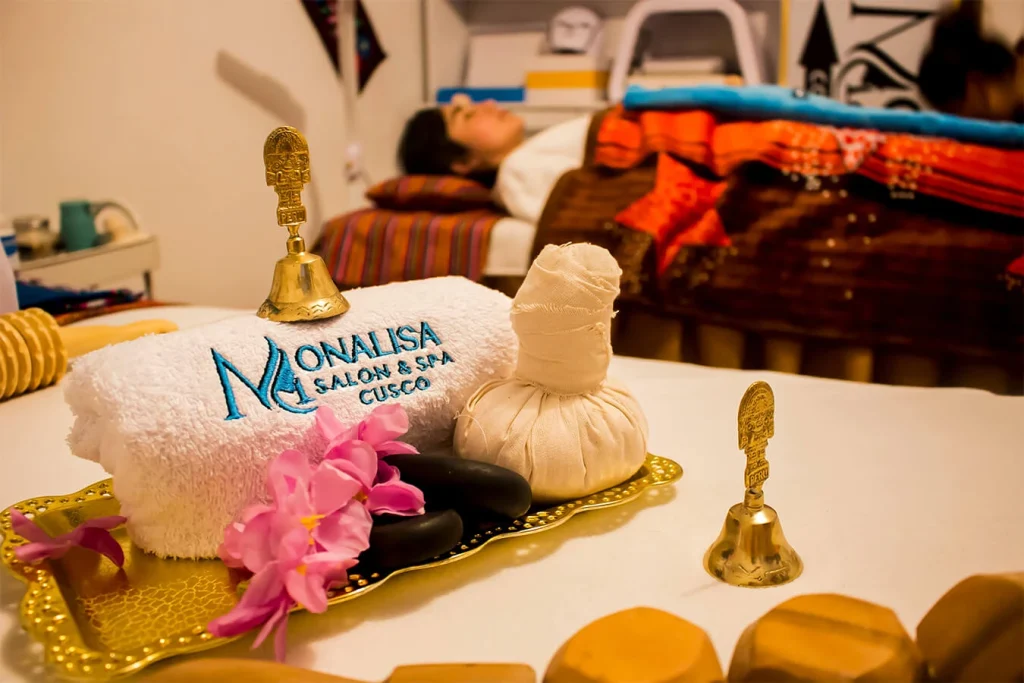
An aromatherapy massage combines gentle techniques with aromatic oils. It is suitable for travelers looking for a calm and soothing experience after a busy day.
Let your therapist know if you have allergies, sensitive skin, asthma, or reactions to fragrances.
Deep-Tissue Massage
A deep-tissue massage may be helpful when you have persistent muscular tension caused by hiking, carrying luggage, or spending long hours sitting.
Because it uses firmer pressure, it may not be the best option immediately after arriving in Cusco, when you are dehydrated, or when your muscles are extremely sore. The pressure should always be adjusted according to your comfort.
Inca Massage
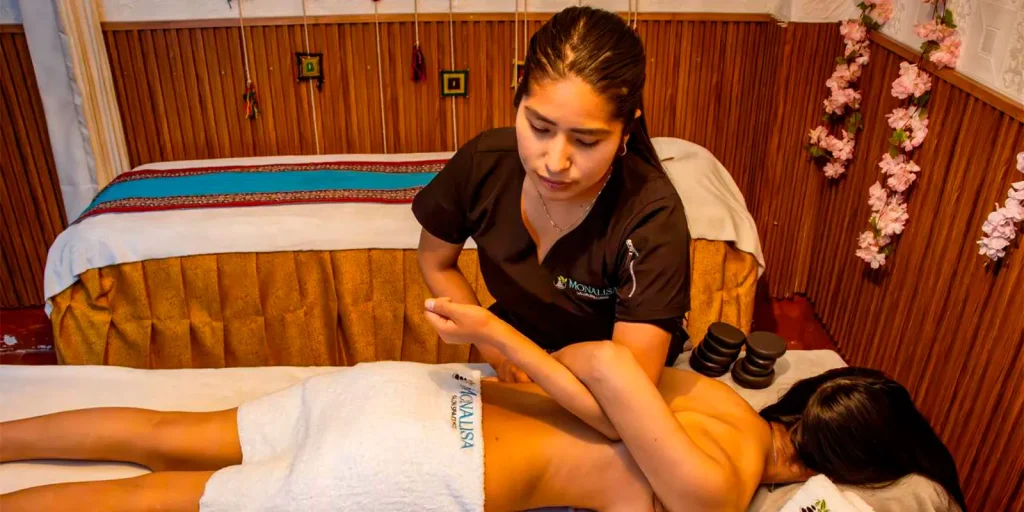
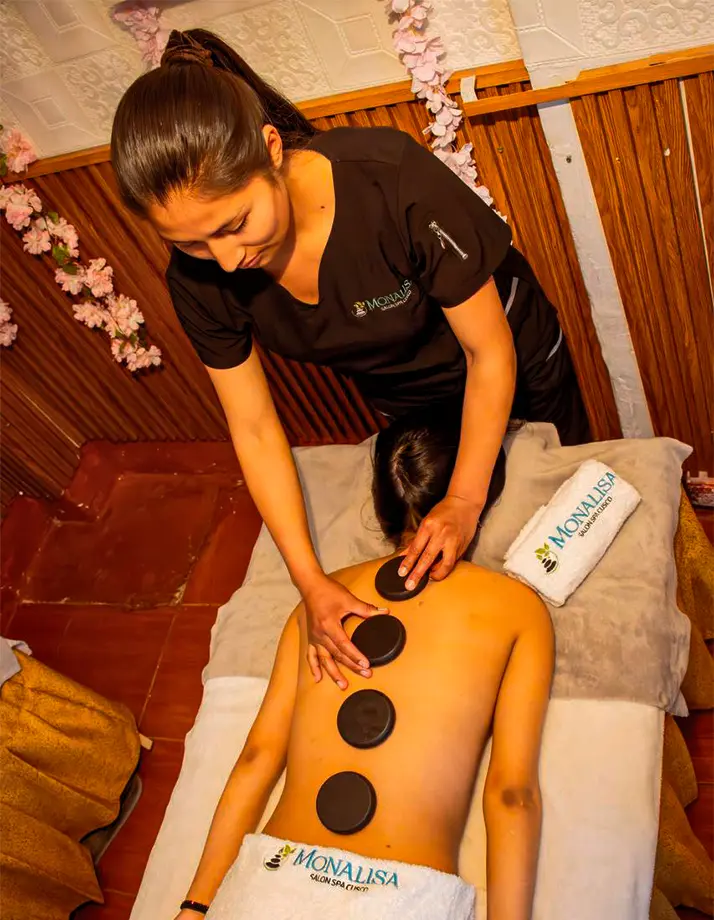
An Inca-inspired massage may combine relaxing techniques with local aromatic oils or warm elements connected to Andean traditions.
Ask what the service includes before booking, especially when you have sensitive skin, allergies, or a medical condition.
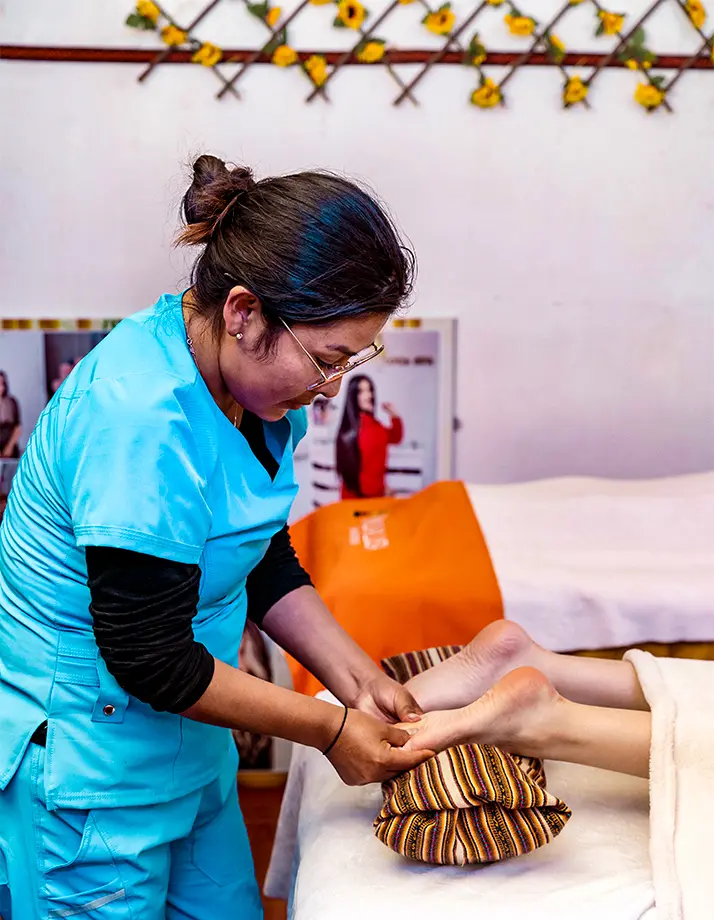
Foot Massage
A foot massage can be especially relaxing after walking through Cusco’s historic streets, archaeological sites, or mountain trails.
Tell the therapist if you have blisters, swelling, sprains, wounds, or sensitive areas before the session begins.
When Should You Avoid a Massage?
Massage is not appropriate in every situation. You should postpone your appointment and consult a healthcare professional when necessary if you have:
- Severe symptoms of altitude sickness.
- Fever or an active infection.
- A recent fracture or serious injury.
- Open wounds, burns, or contagious skin conditions.
- Unexplained swelling, redness, or intense pain.
- A known or suspected blood clot.
- Severe dehydration.
- Persistent shortness of breath.
- Chest pain.
- A serious heart or circulatory condition.
- A recent surgery.
You should also speak with your doctor before receiving a massage if you are taking blood-thinning medication, undergoing medical treatment, pregnant, or managing a condition that may be affected by pressure or body positioning.
Is Massage Safe During Pregnancy in Cusco?
Prenatal massage may be possible when it is performed by someone with appropriate experience and when the pregnancy is progressing normally.
Before booking, tell the spa how many weeks pregnant you are and mention any complications or medical restrictions. Your doctor or midwife should approve the massage when you have a high-risk pregnancy, bleeding, high blood pressure, significant swelling, abdominal pain, or another medical concern.
A pregnancy massage may require:
- A side-lying position.
- Supportive cushions.
- Lighter pressure.
- Avoiding certain areas.
- Shorter or adapted sessions.
Always inform the spa about your pregnancy before confirming the appointment.
What Should You Tell Your Massage Therapist?
Clear communication helps make the experience safer and more comfortable.
Before the session, tell your therapist:
- When you arrived in Cusco.
- Whether you have altitude-related symptoms.
- What physical activities you recently completed.
- Whether you have an injury, swelling, or sensitive area.
- If you are allergic to oils, fragrances, or skincare products.
- Whether you are pregnant.
- If you have a medical condition or recent procedure.
- Whether you prefer gentle, medium, or firm pressure.
During the massage, speak up immediately if the pressure feels painful, you become dizzy, you feel short of breath, or you need to change position.
A professional therapist should respect your comfort and adjust the session when requested.
Tips for a Comfortable Massage in Cusco
To enjoy your massage safely:
- Drink water before and after the session.
- Avoid arriving immediately after a large meal.
- Avoid alcohol before your appointment.
- Arrive a few minutes early.
- Explain how you are feeling before the massage begins.
- Start with gentle or moderate pressure if you recently arrived.
- Avoid an intense massage when you are sick or extremely tired.
- Rest for a few minutes before standing up after the session.
- Seek medical care when symptoms are severe or unusual.
Getting a Massage at Monalisa Spa Cusco
At Monalisa Spa Cusco, each massage can be adapted to your comfort, preferred pressure, and recent activities.
You may be looking to relax after arriving in Cusco, relieve tension after walking around the city, or rest after visiting Machu Picchu or completing a trek. Whatever the reason for your visit, it is important to tell our team how you feel before the session.
We aim to provide a clean, professional, and respectful experience near Cusco’s Plaza de Armas.
If you have an injury, pregnancy, medical condition, allergies, or significant altitude-related symptoms, please let us know before booking. This allows us to help you choose a suitable massage or recommend postponing the session when necessary.
Frequently Asked Questions
Is it safe to get a massage on my first day in Cusco?
It is usually safe when you feel well. Choose a gentle massage, stay hydrated, and avoid intense pressure while your body adjusts to the altitude. Postpone the session if you have strong altitude-related symptoms.
Can I get a massage after hiking the Inca Trail?
Yes, provided that you do not have an acute injury, severe swelling, dehydration, open wounds, or intense pain. Tell your therapist which areas feel tired and begin with comfortable pressure.
Can massage cure altitude sickness?
No. Massage may support relaxation, but it does not treat altitude sickness. Rest, hydration, acclimatization, and appropriate medical care are more important.
Should I drink water after a massage?
Yes. Staying hydrated is particularly important in Cusco because travelers may lose fluids through physical activity, dry air, travel, and altitude changes.
Is deep-tissue massage safe at high altitude?
It can be suitable for a healthy and acclimatized person. However, it may feel too intense immediately after arriving, after strenuous exercise, or when you are dehydrated. Begin with moderate pressure and communicate with your therapist.
What should I do if I feel dizzy during the massage?
Tell your therapist immediately. The massage should be paused, and you should remain seated or lying comfortably until the dizziness passes. Persistent or severe dizziness should be medically evaluated.
Getting a massage in Cusco can be a safe and relaxing part of your trip when you choose a professional spa and communicate openly with your therapist.
Do not select a massage service based only on the lowest price. Look for cleanliness, clear information, experienced therapists, respectful treatment, and good communication.
At Monalisa Spa Cusco, we are committed to helping travelers feel comfortable, listened to, and cared for throughout their massage experience.
End of Article