en
en es
es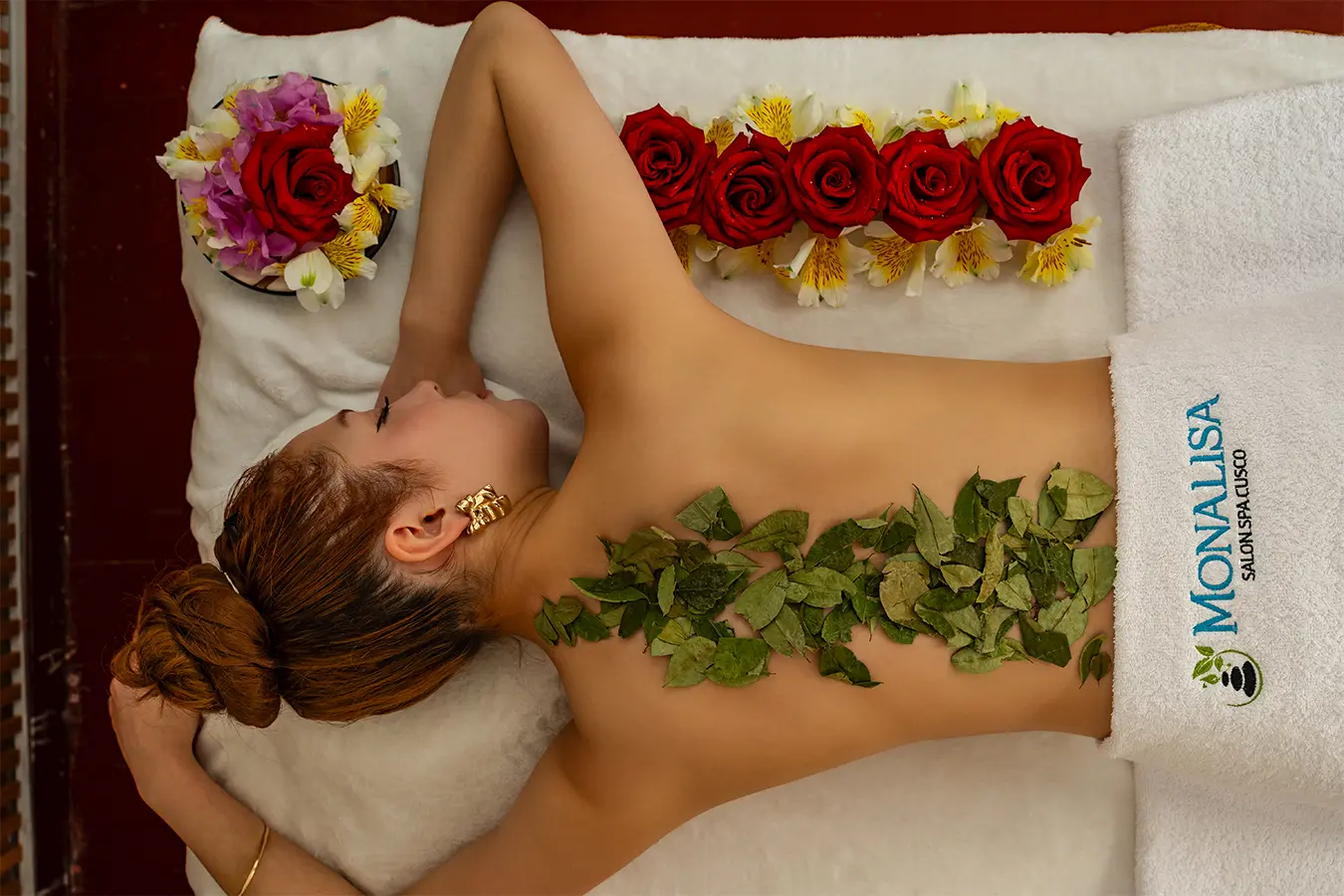
The coca leaf has been part of daily life in the Andes for generations. In Cusco, it can be found in traditional ceremonies, local markets and simple infusions offered to visitors. It is also used in some wellness experiences inspired by the natural ingredients and customs of the region.
For travelers, coca is often associated only with altitude. However, its cultural importance is much broader. Learning about its traditional role can help visitors better understand why this leaf continues to be respected in Andean communities and why some spas in Cusco include it in body treatments.
The Traditional Importance of Coca in the Andes
Coca leaves have a long history in Andean culture. They have traditionally been used during social gatherings, agricultural activities and ceremonies connected with the mountains and the earth.
In many communities, offering coca leaves is a gesture of respect and connection. They may be shared during conversations, presented as part of an offering or used by Andean practitioners in traditional rituals.
These customs are still present today. Although practices vary between families and communities, coca remains an important cultural symbol in Cusco and other parts of the Andes.
Coca Leaves and Wellness Experiences
Modern spas sometimes include coca in treatments inspired by Andean ingredients. The purpose is to create a local wellness experience rather than reproduce a sacred ceremony or promise medical results.
Coca may appear in:
- Body wraps
- Herbal infusions
- Andean-inspired massage rituals
- Natural skincare preparations
- Traditional welcome ceremonies
The way coca is used depends on the treatment. In a body wrap, for example, a prepared coca mixture may be applied to the skin before the body is comfortably covered for a short period. In an Andean-inspired ritual, whole leaves may be included symbolically at the beginning of the experience.
What Is a Coca Body Wrap?
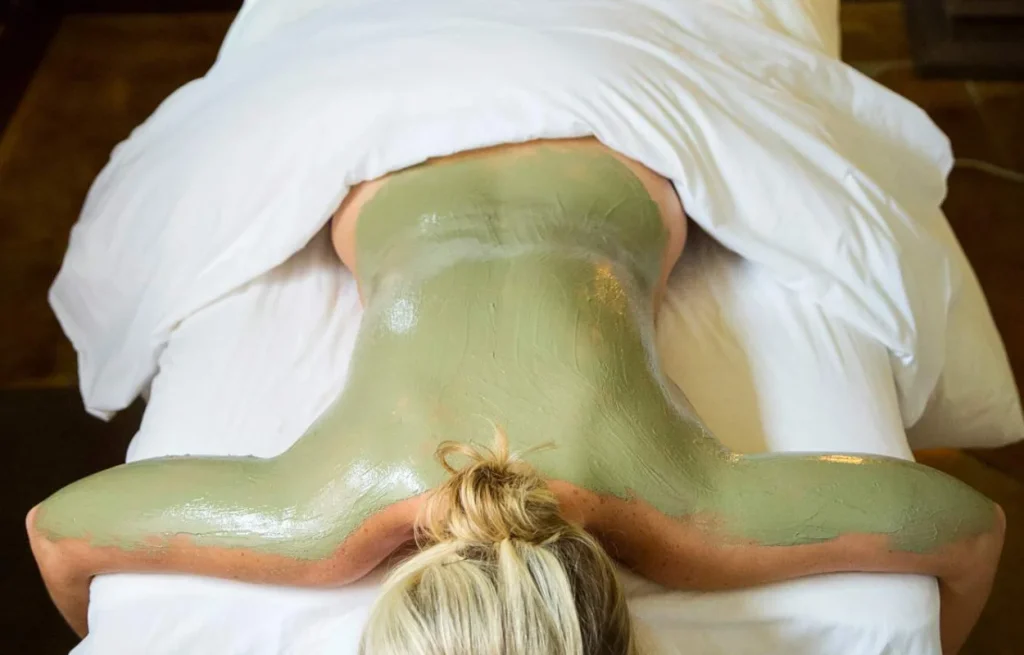
A coca body wrap is a spa treatment in which a preparation containing coca leaves is gently applied to the body. The client is then wrapped or covered while resting in a warm and comfortable setting.
The treatment is intended to provide a quiet moment of relaxation while caring for the skin. It may be combined with gentle exfoliation, massage techniques or other natural ingredients, depending on the spa and the service selected.
At Monalisa Spa Cusco, the Coca Body Wrap is inspired by Andean wellness traditions. Before the treatment begins, clients can explain whether they have sensitive skin, allergies or any areas they would prefer to avoid.
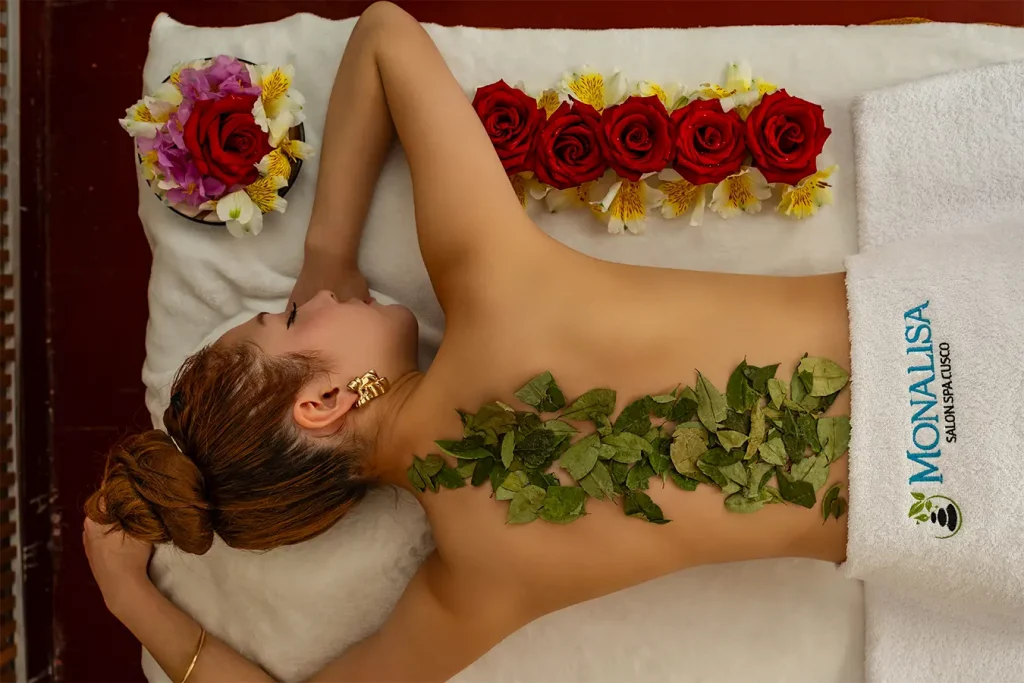
What to Expect During the Treatment
Your experience may include the following steps:
- A short consultation about your skin and comfort.
- Preparation of the body for the wrap.
- Gentle application of the coca-based mixture.
- A period of quiet rest while comfortably covered.
- Removal of the product and completion of the treatment.
The exact process and duration can vary. It is always a good idea to ask what is included before booking, especially if you would like to combine the wrap with a massage or another spa treatment.
Is a Coca Body Wrap the Same as a Massage?
No. A body wrap mainly focuses on the skin and the relaxing experience of being comfortably covered after the product is applied. A massage uses manual movements and pressure to work on different areas of the body.
Some spa packages combine both services. If your main goal is to relax tired muscles after walking or trekking, you may prefer to add a massage in Cusco to your visit. If you are more interested in a locally inspired skincare experience, the Coca Body Wrap may be suitable on its own.
Coca in Andean-Inspired Massage Rituals
Coca leaves may also appear in treatments influenced by Andean ceremonies. In this context, they are generally used as a cultural or symbolic element rather than as a massage product.
For example, Monalisa Spa’s Inka Ritual Massage Ceremony includes elements inspired by Andean traditions. This experience is different from a standard relaxing or deep tissue massage because it places greater emphasis on atmosphere, symbolism and local cultural inspiration.
Travelers should remember that a spa experience is not the same as a traditional ceremony performed within an Andean community. A responsible description should respect that distinction and avoid presenting all Andean practices as identical.
Is a Coca Spa Treatment Suitable for Everyone?
Many people can enjoy a coca-based body treatment, but individual skin sensitivity should always be considered. Before booking, tell the spa if you:
- Have sensitive or reactive skin
- Have allergies to plants or skincare ingredients
- Have open wounds, irritation or sunburn
- Are pregnant or have a medical condition
- Recently experienced an unusual skin reaction
A small skin test may be appropriate when you are unsure how your skin will respond. If you have a medical concern, speak with a qualified healthcare professional before receiving the treatment.
A Natural Connection to Cusco
Choosing a coca-inspired spa treatment can be a simple way to experience an ingredient closely connected with the Andes. It can also provide a calm break after walking through Cusco, visiting nearby archaeological sites or returning from a longer journey.
The most important thing is to approach the experience with realistic expectations. A coca body wrap is a wellness and skincare treatment—not a cure for altitude sickness, injuries or medical conditions. Its value comes from relaxation, personal care and its connection to local Andean inspiration.
Experience an Andean-Inspired Treatment in Cusco
Monalisa Spa Cusco offers massage and body treatments close to Plaza de Armas. If you are interested in natural local ingredients, you can choose the Coca Body Wrap or ask the team about combining it with a relaxing massage.
Before your appointment, let the therapist know about your skin type, preferred treatment and any sensitivities. This helps the team provide a more comfortable and personalized experience.
Frequently Asked Questions
Are coca leaves legal in Peru?
Coca leaves are traditionally used and legally available in Peru in forms such as whole leaves and coca tea. Regulations may be different in other countries, so travelers should not take coca products across international borders without checking the applicable rules.
Does a coca body wrap treat altitude sickness?
No. A body wrap is a wellness and skincare experience, not a medical treatment for altitude sickness. Anyone experiencing significant altitude-related symptoms should rest and seek appropriate medical assistance.
Can I combine a coca body wrap with a massage?
Depending on availability, a body wrap may be combined with a relaxing massage or another treatment. Ask the spa about the order, total duration and current options before booking.
Is the Coca Body Wrap a traditional Andean ceremony?
No. It is a modern spa treatment inspired by an ingredient with an important place in Andean culture. Traditional ceremonies have their own meanings and practices within local communities.
End of Article