en
en es
es
After several days of walking through Cusco, exploring the Sacred Valley, or completing a trek near Machu Picchu, booking a massage can be a great way to help your body recover.
However, choosing the right type of massage is not always easy. Two of the most common options are deep tissue massage and relaxing massage. Although both can help you feel better, they use different techniques and are designed for different needs.
A relaxing massage focuses mainly on rest, comfort, and gentle muscle relief. A deep tissue massage uses firmer pressure to work on deeper muscle tension, stiffness, and specific areas of discomfort.
Understanding the difference can help you choose the most suitable massage for your body.
What Is a Relaxing Massage?
A relaxing massage is a gentle, calming treatment designed to reduce general tension and help the body and mind slow down.
The therapist normally uses soft to medium pressure, long movements, and smooth techniques across the body. The goal is not to work deeply into painful muscles, but to create a comfortable and peaceful experience.
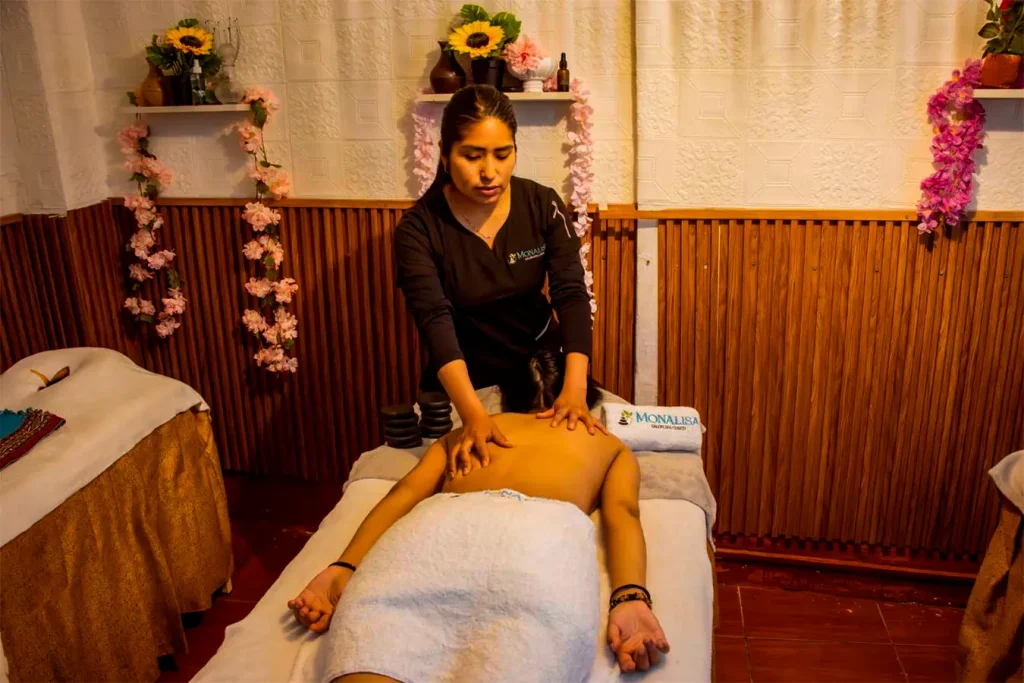
A relaxing massage may be a good choice when you:
- Feel mentally tired or stressed
- Want gentle muscle relief
- Have mild tension from traveling
- Are having a massage for the first time
- Prefer light or medium pressure
- Want to rest after a long journey
- Have difficulty relaxing or sleeping
Many travelers choose this massage after arriving in Cusco because it provides a gentle way to unwind without placing strong pressure on tired muscles.
What Is a Deep Tissue Massage?
A deep tissue massage is a more focused type of massage that works on deeper layers of muscles and connective tissue.
The therapist applies slow movements and firmer pressure to areas where muscles feel tight, stiff, or overworked. Common areas include the back, shoulders, neck, legs, and lower back.
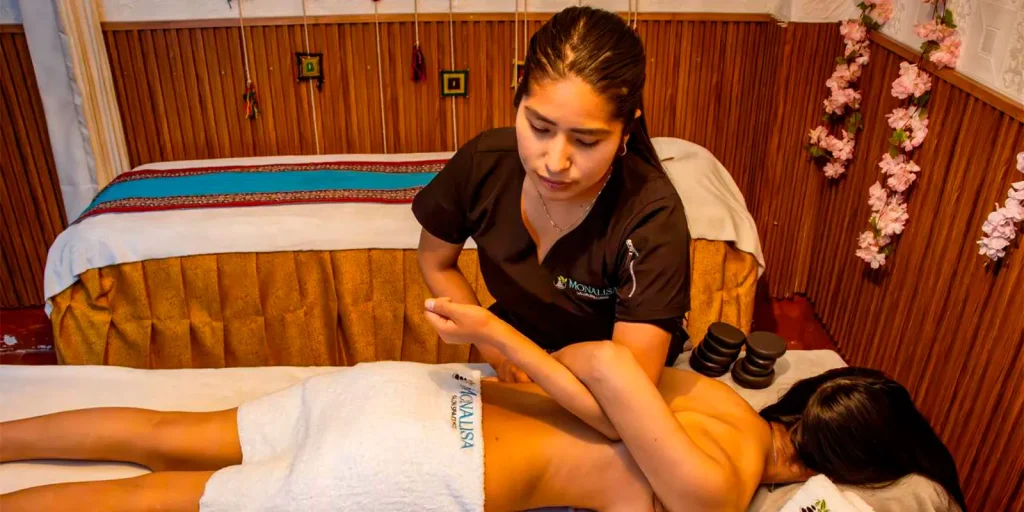
This type of massage may be suitable when you:
- Have persistent muscle tension
- Feel stiffness after hiking or trekking
- Have tight shoulders or back muscles
- Regularly exercise or perform physical work
- Prefer firm pressure
- Have specific areas that need attention
- Feel muscle fatigue after several days of walking
Deep tissue massage should feel firm and focused, but it should not feel unbearable. It is important to communicate with the therapist if the pressure feels too strong.
Deep Tissue Massage vs Relaxing Massage: Main Differences
| Feature | Relaxing Massage | Deep Tissue Massage |
|---|---|---|
| Pressure | Light to medium | Medium to firm |
| Main goal | Relaxation and stress relief | Muscle tension and stiffness relief |
| Technique | Long, smooth movements | Slow and focused pressure |
| Best for | General fatigue and relaxation | Tight or overworked muscles |
| Sensation | Gentle and calming | Stronger and more targeted |
| After the massage | Usually light and relaxed | Mild tenderness may occur |
| Recommended after hiking | For mild fatigue | For stronger muscle tension |
The best option depends on how your body feels and what you expect from the session.
Choose a Relaxing Massage When You Want to Unwind
A relaxing massage is usually the better choice when your main goal is to rest.
Travel can be mentally and physically exhausting. Long flights, bus journeys, changes in altitude, and busy itineraries can leave you feeling tired even when you do not have significant muscle pain.
The gentle movements of a relaxing massage may help reduce everyday tension and create a sense of calm. It can also be suitable before an important tour or trek because it does not normally leave the muscles feeling tender.
You may prefer a relaxing massage when:
- You have just arrived in Cusco
- Your muscles feel tired but not painful
- You want a calm spa experience
- You are sensitive to strong pressure
- You simply want time to disconnect and rest
Choose a Deep Tissue Massage for Tight Muscles
A deep tissue massage may be more appropriate when your muscles feel noticeably tight, heavy, or stiff.
Travelers often experience tension after activities such as the Inca Trail, Salkantay Trek, Rainbow Mountain, Humantay Lake, or long walking tours around Cusco.
The legs, lower back, shoulders, and neck can become tired after carrying a backpack, climbing steep paths, or spending long hours seated during transportation.
A deep tissue massage can focus more carefully on these overworked areas. However, it is normally better to wait until your body has cooled down and recovered slightly after intense physical activity.
Avoid requesting extremely strong pressure immediately after a demanding trek, especially when your muscles are very sore.
Which Massage Is Better After Hiking?
The answer depends on the level of muscle fatigue.
For mild tiredness, a relaxing massage with medium pressure may be enough. It can help you unwind while gently working on the legs and back.
For deeper stiffness or recurring muscle tension, a deep tissue massage may provide a more focused experience.
You should tell the therapist:
- Which activity you completed
- Where you feel tension
- Whether the discomfort is mild or strong
- How much pressure you normally prefer
- Whether you have any recent injuries
This information allows the therapist to adjust the session according to your condition.
Does Deep Tissue Massage Hurt?
Deep tissue massage can feel intense, especially when the therapist works on a tight muscle. However, it should not feel sharp, unbearable, or excessively painful.
Some people believe that a massage must hurt to be effective, but stronger pressure is not always better. Excessive pressure can make the body tense instead of helping the muscles relax.
You should always tell your therapist when:
- The pressure is too strong
- You feel sharp pain
- An area is unusually sensitive
- You want lighter pressure
- You would like the therapist to avoid a certain area
A professional massage should be adapted to your comfort and physical condition.
Can You Combine Both Massage Styles?
Yes. A massage session can include elements of both relaxing and deep tissue massage.
For example, the therapist may use gentle movements across most of the body and firmer pressure only on areas such as the shoulders, back, or legs.
This can be a good option when you want to relax but also have one or two areas of noticeable tension.
Before the massage begins, explain that you would like a generally relaxing session with more focused pressure in specific areas.
When Should You Avoid Deep Pressure?
Deep tissue massage may not be suitable for everyone. Inform the therapist before the session if you have:
- A recent injury
- Severe inflammation
- Open wounds or skin irritation
- Recent surgery
- Varicose veins
- Blood-clotting conditions
- Severe unexplained pain
- A medical condition requiring professional supervision
- A possible fracture or serious muscle injury
Massage is intended to support relaxation and general well-being. It should not replace medical evaluation when pain is severe, persistent, or related to an injury.
How to Prepare for Your Massage
A few simple steps can make your session more comfortable:
- Drink water before and after the massage
- Avoid a very heavy meal immediately beforehand
- Arrive a few minutes early
- Explain your preferred pressure level
- Mention any pain, injury, or sensitive area
- Wear comfortable clothing
- Avoid intense exercise immediately after the session
After a deep tissue massage, mild tenderness may occur for a short period. Drinking water, resting, and avoiding strenuous exercise can help your body recover.
Deep Tissue or Relaxing Massage: Which One Is Right for You?
Choose a relaxing massage when you want gentle pressure, stress relief, and an overall sense of calm.
Choose a deep tissue massage when you have stronger muscle tension, stiffness, or specific areas that need more focused attention.
You do not need to choose based only on the massage name. The most important thing is to explain how your body feels and what you want from the session. A trained therapist can then adapt the pressure and techniques to your needs.
Experience a Massage at Monalisa Spa Cusco
At Monalisa Spa Cusco, each massage session can be adjusted according to your comfort, preferred pressure, and areas of tension.
Whether you want to relax after arriving in Cusco or care for tired muscles after a trek, our team can help you select a suitable massage experience.
We are located near Cusco’s Plaza de Armas, making it convenient to include a massage during your stay in the city.
Contact Monalisa Spa Cusco to reserve your session and give your body time to rest, recover, and feel refreshed.
Frequently Asked Questions
Is deep tissue massage better than relaxing massage?
Neither option is better for everyone. Deep tissue massage is more suitable for firm, targeted muscle work, while relaxing massage is better for gentle pressure and general relaxation.
Which massage is best after the Inca Trail?
A relaxing or medium-pressure massage can be suitable for general fatigue. Deep tissue massage may be helpful for stronger muscle tension, although very sore or injured muscles should not receive excessive pressure.
Is relaxing massage good for back pain?
It may help reduce mild tension and promote relaxation. Persistent, severe, or unexplained back pain should be evaluated by a healthcare professional.
How strong is a deep tissue massage?
The pressure is usually medium to firm, but it should always be adapted to your comfort. You can ask the therapist to increase or reduce the pressure during the session.
Can first-time clients choose deep tissue massage?
Yes, but first-time clients should explain their pressure preference and communicate throughout the massage. Starting with moderate pressure is often more comfortable.
Will I feel sore after a deep tissue massage?
Some people experience mild tenderness, particularly when very tight areas are treated. This usually improves with rest and hydration.
End of Article